
In many technical departments, the code review system (what the sector calls Code Reviews or Pull Requests) is an absolute bureaucratic nightmare. It should be the heartbeat of the company’s engineering, but it usually turns into an absurd bottleneck.
The symptoms are easy to spot: massive review requests with over 2,000 lines of code that no one dares to actually read due to lack of time; endless, passive-aggressive arguments over whether a variable should be named one way or another; and worst of all: developers mechanically rubber-stamping code with a quick click just to get the task off their plate.
When code review becomes a mere checkbox exercise to fulfill a requirement, you have a ticking time bomb inside the core of your business. The primary benefit of this process isn’t catching syntax errors—automated tests should handle that before the code even gets there. The true business value of a review is safeguarding knowledge and distributing it across the team.
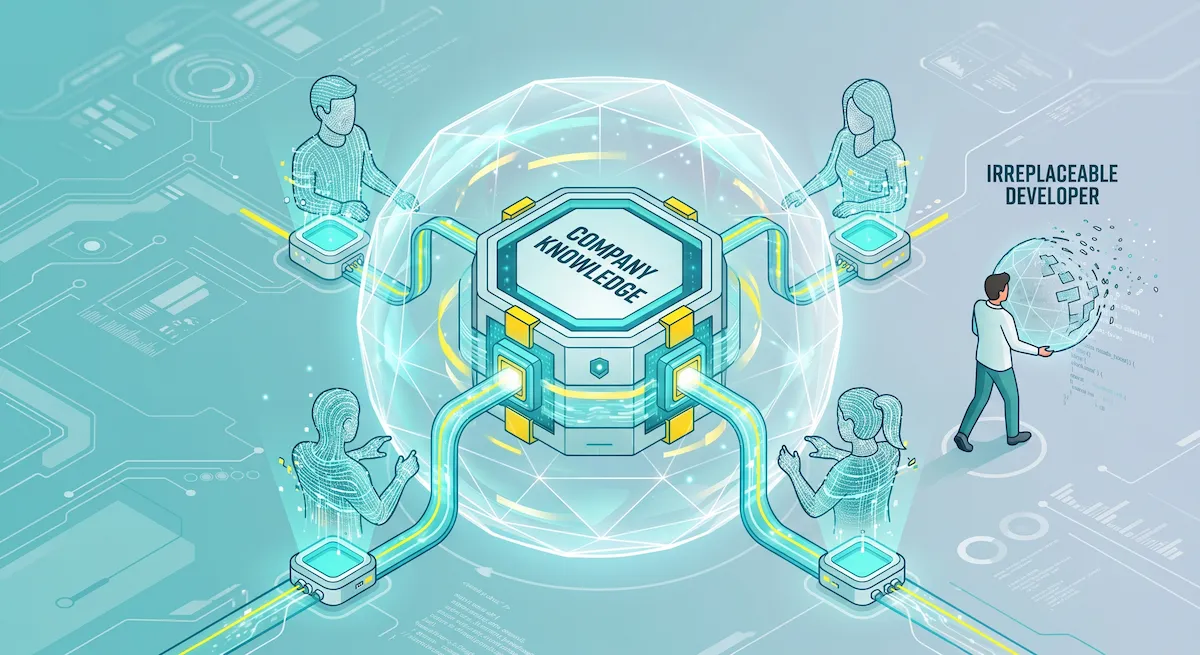
The end of the irreplaceable developer
Every review must be a rapid transfer of technical context. When a developer analyzes a teammate’s work, both are validating that they understand the business rules and where each piece of logic belongs.
If this engine runs smoothly, you eliminate one of the greatest dangers to any company in one fell swoop: the single point of failure technician. That specific profile who keeps the entire system in their head, whose day-to-day work is a black box, and whom you are terrified to fire because if they leave, the project dies with them.
By subjecting changes to four thinking eyes before shipping them to production, the fear of breaking the platform drops drastically. Responsibility shifts from a single head to the entire team.
The rules of the game
Building a robust review system that protects your investment without consuming infinite resources doesn’t require a hundred-page manual; it comes down to shifting the daily dynamic with three very clear rules.
The first is demanding micro-deliverables. Code must be submitted in small blocks—a clean piece of logic that a teammate can chew on, understand, and process in under fifteen minutes. The moment you try to sneak in a massive manifesto of changes, the system breaks because nobody has the time to read it seriously.
The second is decoupling code from ego. The conversation during a review must focus exclusively on technical impact and business rules, leaving out the egos and the bruised pride of whoever wrote the lines.
And the third, the most critical for the company’s health, is banning the automatic rubber-stamp. Approving a critical change with a simple “looks good to me” just to get rid of the burden, without actually understanding what that code does under the hood, completely destroys team accountability.
If your platform is full of chaotic patches, drags constant technical debt, and you see developers constantly rotating or leaving frustrated, don’t look for external culprits. The problem lies in how your tech team communicates when no one is watching.
Professional development is not about churning out lines of code against the clock; it is about building a sustainable system where the knowledge belongs to the company, and not to a single developer who could leave you stranded tomorrow.