
The day you launch a website is usually a massive disappointment. You spend money on development, approve the design, upload your copy, and after a week of searching for your company’s name on Google, you realize you aren’t there. A month passes, and you remain completely invisible.
The typical reaction is to panic. You assume the website is broken, that the developers botched the job, or that you’ve been hit by some divine penalty. The reality is much harsher: Google doesn’t know you exist, and even if it did, it doesn’t care.
The mistake is believing that SEO is like a light switch—that you flip it when publishing the site and it just works. When a domain is brand new, it has no history and no authority. To the algorithms, you are a stranger who just opened a shop in the middle of a vast desert without putting up a single sign on the highway.
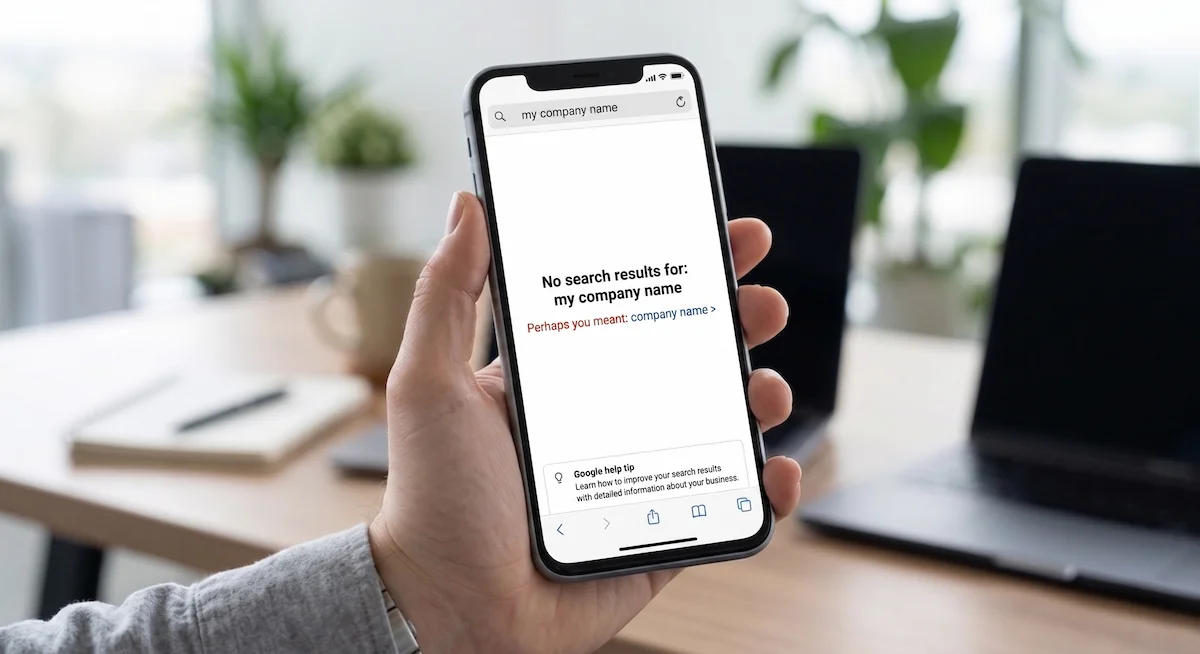
The low-priority queue
Google discovers websites by jumping from one link to another. If no page on the internet points to your domain, Google’s crawlers are never going to visit your site. And even when you finally get them to index your homepage, a website with zero leverage goes straight into the low-priority queue.
Keeping Google’s servers running costs millions. Because of this, the search engine prioritizes and daily crawls platforms that already have established traffic, years of history, and stable backlink profiles. It gives a newborn website the leftovers: if you’re lucky, it will send a crawler once every three weeks to see if anything has changed. Demanding to rank first within fifteen days is absurd.
Don’t buy into the fairytale that “quality content is all that matters” either. Writing great copy is the bare minimum to avoid getting kicked out of the game, but it won’t rank you. Google has no aesthetic taste; it needs external proof that your business is real. And that proof comes exclusively from legitimate links from other websites.
Churning out twenty articles on a blog that nobody reads is completely useless. It is a vicious circle: because nobody sees you, nobody links to you; and because nobody links to you, nobody sees you. You don’t fix that by grinding out more text on your server—you fix it by going out and earning external references.
Shifting the momentum
If you want your website to start showing its face, you have to accept that you will be working at a loss for the first few months. Forget about shady agency tricks promising miracles in two weeks; they are lying just to lock you into a monthly retainer. This stage is strictly about sowing seeds.
The first step is getting links that prove you actually exist. Register your business in serious directories within your sector, talk to suppliers to get listed on their sites, or look for mentions in local press. Every single link is a vote of confidence that breaks the ice with the algorithm.
The second step is to stop writing about what you like and start answering what people are actually searching for. A new website cannot compete for high-volume keywords like “insurance” or “buy shoes”. You need to target the exact questions, specific technical headaches, and product comparisons that your potential client looks up when they already have their credit card in hand.
Ranking on Google isn’t magic or advanced rocket science. It’s exactly like opening a physical business: the main street is paid for with a wildly expensive rent, but prime real estate on the internet is earned with patience, links, and months of hard labor.